Introduction
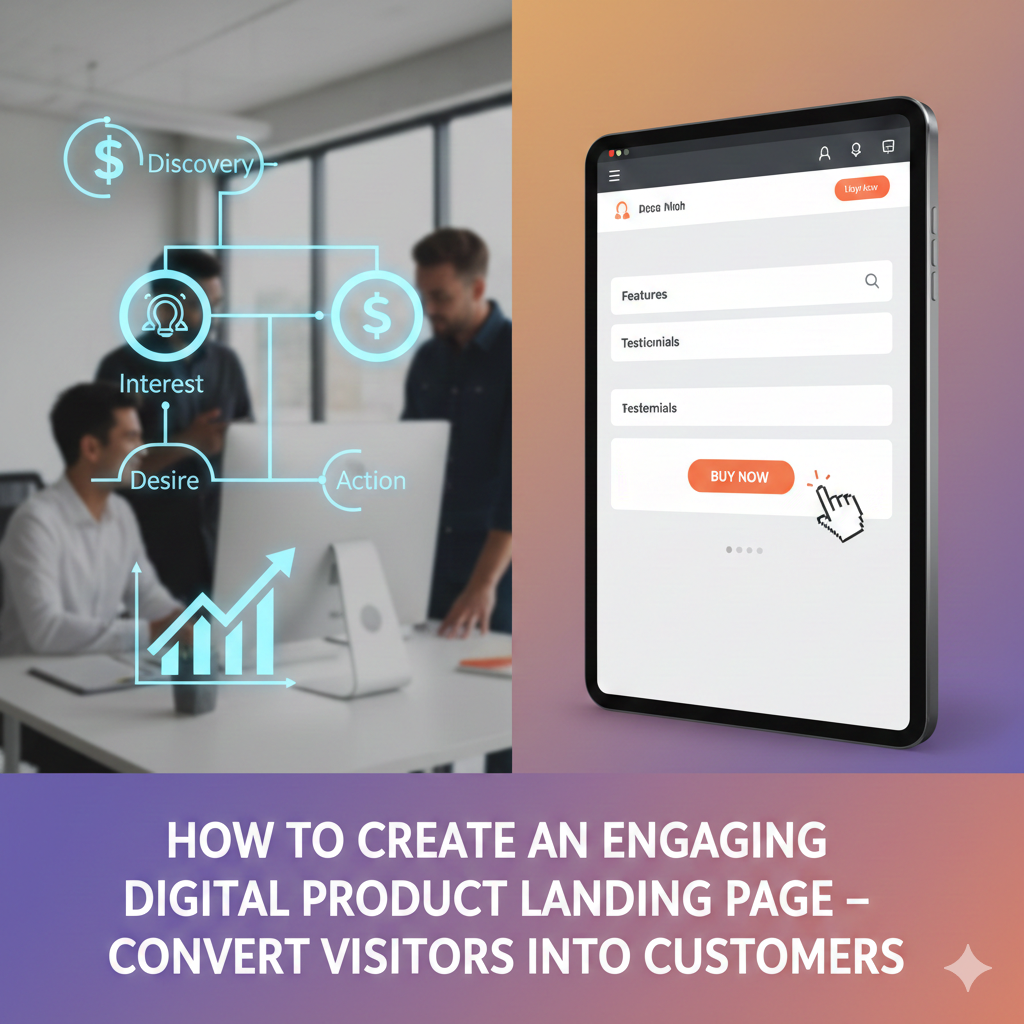
Your landing page is the first thing potential customers see when they visit your digital product website, and it can make or break your sales. A well-designed landing page will engage visitors, highlight the value of your product, and convince them to take action.
In this article, we’ll walk you through the key elements of an engaging digital product landing page. Whether you’re selling an eBook, online course, or printable, these tips will help you create a page that drives conversions and increases your sales.
Table of Contents
Why Landing Pages Are Crucial for Digital Products
Key Elements of a High-Converting Landing Page
Design Tips for an Attractive Landing Page
How to Write Copy That Sells
Common Mistakes to Avoid When Creating Your Landing Page
Information Gain – Why A/B Testing Your Landing Page Matters
Practical Insight – Optimizing Your Landing Page for Mobile
Why Landing Pages Are Crucial for Digital Products
A landing page is more than just a sales pitch—it’s your opportunity to make a strong first impression. Here’s why your landing page is critical:
First Impressions Matter: Visitors will judge your product within the first few seconds. If your landing page doesn’t grab their attention, they’ll leave and go elsewhere.
Conversion Optimization: A dedicated landing page focused on one product allows you to optimize for higher conversions, with a clear focus on selling.
Focus on One Goal: A landing page has a single purpose: to get the visitor to take action, whether it’s making a purchase, signing up for an email list, or downloading a free product.
Pro-Tip: Keep the focus of your landing page clear and concise. Avoid cluttering it with too much information.
Key Elements of a High-Converting Landing Page
To create an effective landing page, you need to focus on several key elements that will engage visitors and guide them towards making a purchase. Here are the critical components of a high-converting landing page:
- Compelling Headline
Your headline is the first thing visitors see. It should immediately convey the benefit of your product and hook the reader. Be clear, concise, and relevant to their needs.
- Strong Call-to-Action (CTA)
The CTA is what you want visitors to do—whether it’s buy now, download, or sign up. Make sure the button stands out and uses action-oriented language like “Get Started,” “Claim Your Offer,” or “Start Learning.”
- Product Description with Key Benefits
Clearly explain what the product is, how it works, and most importantly, how it solves the visitor’s problem. Focus on benefits, not just features. For example, instead of just saying “This eBook contains 100 pages,” say “This 100-page guide will help you master the basics of digital marketing in just a week.”
- Testimonials and Social Proof
Include reviews, testimonials, or case studies from real customers who have benefitted from your product. Social proof builds trust and reassures visitors about the quality of your product.
- Visuals
Use high-quality images or videos that show your product in action. For digital products like courses or eBooks, this might include screenshots or preview clips to demonstrate the product’s value.
Design Tips for an Attractive Landing Page
The design of your landing page plays a huge role in user experience and conversions. Here are some design tips to make your page both attractive and functional:
- Keep It Clean and Simple
Avoid clutter. Use white space effectively to guide the visitor’s eyes toward the most important information (like the CTA button).
- Use a Simple, Focused Layout
Your landing page should have a clear, linear flow—from the headline, to the benefits, to the CTA. Don’t overwhelm visitors with multiple options. Keep the focus on one action.
- Mobile Optimization
More people are browsing and buying products on mobile devices than ever before, so make sure your landing page is fully optimized for mobile users. This means responsive design, fast loading times, and easily clickable CTAs.
- Match Your Branding
Ensure the design aligns with your overall branding (colors, fonts, logos). Consistency is key to building trust with your visitors.
Pro-Tip: A simple, clean design with a clear message is often more effective than a fancy layout with too much going on.
How to Write Copy That Sells
The copy on your landing page is crucial for converting visitors into buyers. Here’s how to write copy that sells:
- Focus on the Customer’s Needs
Start by understanding what your customers want and need. Tailor your copy to speak directly to their pain points and how your product solves them.
- Use Persuasive Language
Use persuasive words and phrases that encourage action, such as “limited time offer,” “exclusive access,” or “don’t miss out.” Make visitors feel like they’ll lose something valuable if they don’t act now.
- Keep It Short and Sweet
People’s attention spans are short, so keep your copy concise and to the point. Focus on the most important details that will drive the visitor to purchase.
- Highlight Value Over Features
Instead of listing features, focus on how the product will benefit the customer. For example, instead of saying “Includes 50 pages of content,” say “Get 50 pages of actionable strategies to help you grow your business.”
Pro-Tip: Use emotional appeal in your copy to connect with customers on a deeper level. Show them how your product will improve their lives.
Common Mistakes to Avoid When Creating Your Landing Page
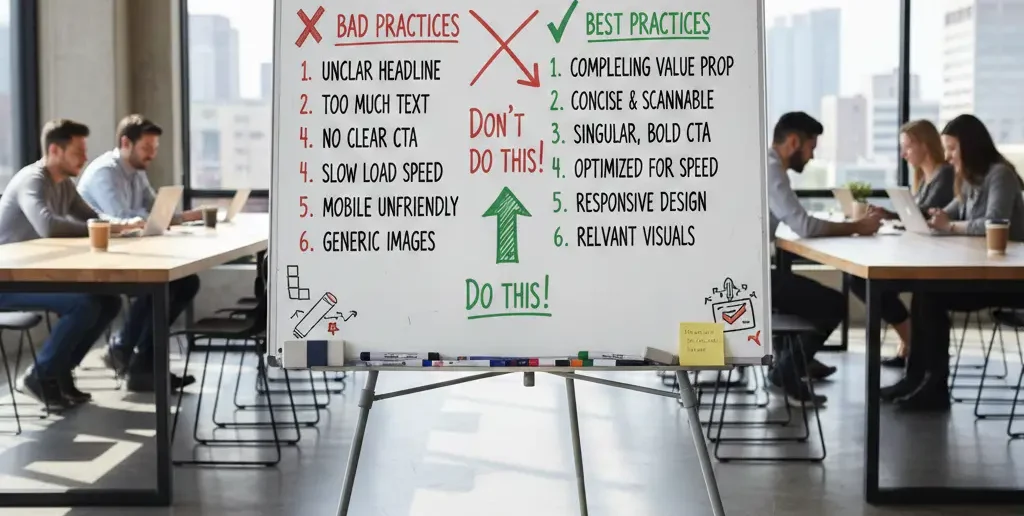
Too Many CTAs
Fix: Focus on one goal. Don’t confuse visitors by offering multiple options for action.
Overcomplicated Copy
Fix: Keep your copy clear, simple, and action-oriented. Avoid jargon and unnecessary complexity.
Ignoring Mobile Optimization
Fix: Make sure your landing page is fully responsive and works well on all devices.
Weak or Unclear Offer
Fix: Make sure your offer is clear and irresistible. If your visitors don’t know what they’re getting or why it’s valuable, they won’t convert.
Information Gain – Why A/B Testing Your Landing Page Matters
One of the best ways to improve your landing page’s conversion rate is through A/B testing. This involves creating two variations of your landing page and testing them against each other to see which one performs better. You can test:
Headlines: Which headline grabs attention more?
CTAs: Which CTA wording generates more clicks?
Images vs. Videos: Does an image or video increase conversions?
Key Insight: A/B testing helps you optimize your landing page based on real data, not just assumptions. It’s an ongoing process of improvement to maximize your conversions.
Practical Insight – Optimizing Your Landing Page for Mobile
As more and more customers shop on mobile devices, mobile optimization has become a must. Here’s what you need to ensure:
Responsive design: The layout should automatically adjust to fit various screen sizes.
Fast loading times: Mobile users are often on slower networks, so your page should load quickly to avoid losing visitors.
Easy-to-click buttons: Ensure buttons and links are easy to tap on smaller screens without accidentally clicking the wrong link.
Pro-Tip: Test your landing page on different mobile devices to ensure a seamless experience for all users.
FAQ
What’s the ideal length for a landing page?
The length of your landing page depends on your product, but generally, keep it as concise as possible while still providing all necessary information. Longer pages work well for high-ticket products, but short ones are best for impulse purchases.
How do I get visitors to my landing page?
Use paid ads, social media, SEO, and email marketing to drive traffic to your landing page.
Should I use a single landing page or multiple for different products?
If you have multiple products, it’s better to create separate landing pages for each. Tailor the content to the specific product and target audience.
How can I track the effectiveness of my landing page?
Use tools like Google Analytics to track key metrics, such as bounce rate, conversion rate, and click-through rate (CTR).
Can I use landing pages for digital products like eBooks or courses?
Absolutely! Landing pages are perfect for selling digital products. Make sure the page highlights the product’s value and offers an easy purchase process.
Conclusion
Creating an engaging and high-converting digital product landing page is a vital step in growing your online business. By focusing on clear messaging, strong CTAs, and effective design, you can increase conversions and start generating consistent sales. Remember to A/B test and optimize for mobile to keep improving your landing page’s effectiveness over time.
Internal Links
How to Sell Digital Products Without an Audience: A Beginn 5
External Links
Unbounce Landing Page Optimization Guide
Google Ads for Beginners