Introduction
As a business owner offering subscription-based digital products, you know how important it is to provide continuous value while managing the day-to-day operations. The good news is that automation tools can help you save time, streamline tasks, and increase revenue without the constant need for manual work.
In this article, we’ll explore how to automate key aspects of your subscription-based digital product business. From payment processing to content delivery and customer engagement, we’ll cover all the essential tools and strategies that will help you scale without overwhelming yourself.
Table of Contents
Why Automation Is Key for Subscription Businesses
Automating Payment and Subscription Management
How to Automate Content Delivery
Automating Marketing for Your Subscription Business
Using Customer Relationship Management (CRM) for Automation
Common Mistakes to Avoid in Automation
Information Gain – Why You Should Test and Optimize Automation
Practical Insight – Scaling with Automation
Why Automation Is Key for Subscription Businesses
Running a subscription-based business means dealing with recurring tasks that can take up a lot of your time. Automation allows you to focus on growth and strategy while taking care of repetitive tasks behind the scenes. Here are some key benefits of automation:
Save Time: Automation handles repetitive tasks like billing, email marketing, and customer support, freeing up your time for more important activities.
Increase Efficiency: With automated workflows, you can handle a growing number of subscribers without increasing the amount of time you spend on manual tasks.
Improve Customer Experience: Automation ensures that your subscribers receive consistent, timely communication and services, improving their experience with your brand.
Pro-Tip: Start by automating the most time-consuming tasks, such as payments and content delivery, and then move on to marketing and customer engagement.
Automating Payment and Subscription Management
Handling payments and subscription management manually can be tedious, but with the right tools, you can automate these processes seamlessly. Here are some tools that can help:
- Stripe
Stripe is a popular payment processor that can handle recurring billing and subscriptions automatically. It integrates easily with your website or platform and helps manage payments, invoices, and customer subscriptions.
- PayPal
PayPal offers subscription management tools for digital product businesses. You can set up recurring payments and automate the process of charging customers monthly or annually.
- Membership Platforms
If you use platforms like Teachable, Kajabi, or MemberPress, these platforms automatically handle billing, renewals, and access management for your digital products.
Pro-Tip: Automate reminders for subscription renewals or payment failures to prevent interruptions in service for your customers.
How to Automate Content Delivery
Content delivery is a critical component of your subscription business. Automating how your subscribers receive content can save you time and ensure they have seamless access to what they’ve paid for. Here’s how to automate content delivery:
- Use Membership Site Platforms
Platforms like Teachable, Kajabi, and Podia allow you to automate content delivery, providing instant access to members upon signing up. You can set up drip content, which releases content to users at scheduled intervals.
- Use Email Automation
ConvertKit and Mailchimp are great for automating email campaigns. You can set up welcome sequences to automatically send new members a series of emails, guiding them through the content you offer.
- Digital Product Delivery
For products like eBooks, printables, or courses, tools like Gumroad and SendOwl automate the delivery of digital products directly to your customers after purchase.
Pro-Tip: Use drip content to keep your subscribers engaged. Deliver content in stages to encourage them to stay subscribed and continue consuming your products.
Automating Marketing for Your Subscription Business
Marketing your subscription-based business doesn’t have to take up all your time. Automation tools can help you run email campaigns, social media posts, and ads without constant monitoring. Here’s how to automate marketing:
- Email Marketing Automation
Platforms like ConvertKit, Mailchimp, and ActiveCampaign offer automated email sequences that nurture leads, onboard new subscribers, and keep current members engaged with exclusive content or promotions.
- Social Media Scheduling
Tools like Buffer, Hootsuite, and Later allow you to schedule social media posts in advance. This helps you maintain a consistent presence across platforms without having to post manually every day.
- Paid Ads
Use Facebook Ads or Google Ads to target potential subscribers. These platforms offer automation tools for running ads to a specific audience and automatically optimizing your campaigns based on performance.
Pro-Tip: Use automated retargeting ads to re-engage visitors who didn’t sign up the first time. You can show them ads promoting your subscription product at a later time.
Using Customer Relationship Management (CRM) for Automation
A Customer Relationship Management (CRM) tool helps you manage your subscriber base and automate communication. Here’s how CRMs can boost your business:
- Automate Communication
CRMs like HubSpot and Salesforce allow you to automate communication based on customer actions. For example, send a welcome email when someone subscribes or a renewal reminder when their subscription is about to end.
- Segment Your Audience
Use CRMs to segment your audience based on factors like membership level, product interest, or purchase history. This enables you to send targeted emails and personalized offers.
- Manage Support Tickets Automatically
Many CRM tools allow you to automate customer support workflows, routing tickets to the right department or sending automated responses to common queries.
Pro-Tip: Use a CRM to automate upsells by suggesting higher-tier membership options based on your subscribers’ behavior.
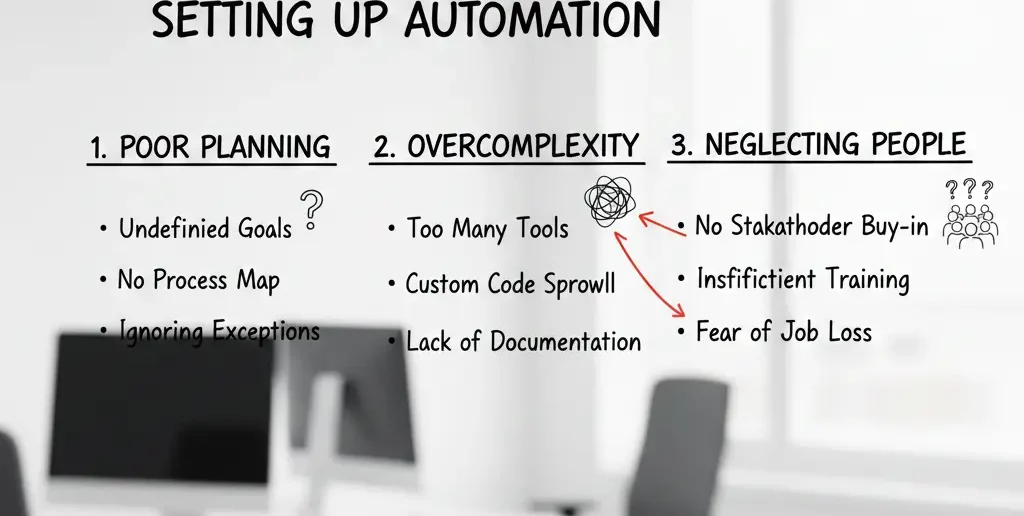
Common Mistakes to Avoid When Setting Up Automation
Over-Automating Communication
Fix: While automation is great, ensure that it doesn’t make your communications feel impersonal. Strike a balance between automation and personal engagement.
Neglecting to Test Automated Workflows
Fix: Test all automated workflows before launching them. Make sure emails, payment processing, and content delivery work as expected.
Not Tracking Results
Fix: Use analytics tools to track how your automations are performing. Look at open rates, click-through rates, and conversion rates to see if changes are needed.
Information Gain – Why You Should Test and Optimize Automation
Automation is not a set-it-and-forget-it process. As your business grows, it’s important to test and optimize your automated systems regularly. Here’s why:
Test Email Campaigns: Run A/B tests on your email subject lines, CTAs, and timing to see what resonates best with your audience.
Optimize Content Delivery: Track which types of content your subscribers engage with most and use this data to refine your content strategy.
Monitor Payment Systems: Ensure that your payment and subscription management systems are running smoothly. Look for signs of failed payments or cancellations.
Key Insight: Testing and optimization will help you improve your automation over time, allowing you to better serve your subscribers and increase sales.
Practical Insight – Scaling with Automation
As your business grows, automation becomes even more crucial. Here’s how to scale effectively:
Outsource Human Tasks: As your automation handles the repetitive tasks, consider outsourcing areas that require human creativity, such as content creation or customer support.
Expand Your Automation: As you add more subscribers and products, expand your automation to handle new processes, such as upselling, renewal reminders, or seasonal promotions.
Optimize for Higher Conversion Rates: Continuously test and optimize your processes to improve conversion rates, retention, and customer satisfaction.
Pro-Tip: The more you automate, the more you can focus on scaling your business and increasing revenue without sacrificing time.
FAQ
How can I automate my subscription payments?
Use platforms like Stripe, PayPal, or MemberPress to automate recurring billing and subscription renewals.
What’s the best tool for automating content delivery?
Platforms like Teachable, Kajabi, and Podia provide built-in tools to automate the delivery of digital products like courses, eBooks, and templates.
How do I automate customer communication?
Use a CRM tool like HubSpot or ActiveCampaign to automate welcome emails, renewal reminders, and product recommendations.
Can I use paid ads to automate marketing?
Yes, Facebook and Google Ads offer automation features to optimize your campaigns and target specific customers.
Is it possible to over-automate?
Yes, automation can feel impersonal if overdone. Be sure to balance personal engagement with automation to maintain strong customer relationships.
Conclusion
Automating your subscription-based digital product business is essential for scaling and improving efficiency. By automating key processes like payment management, content delivery, and marketing, you can free up time to focus on growth while increasing revenue. With the right tools and strategies, automation can help you build a successful, sustainable business that runs smoothly without constant manual effort.
Internal Links
How to Set Up a Membership Site for Digital Products Step 6
External Links
Stripe Subscription Management Guide
Teachable – Automating Your Online Courses