
Introduction
Starting affiliate marketing with a small blog might sound like a tough task, but it’s completely achievable. In fact, many successful affiliate marketers began with blogs that had very little traffic. The secret isn’t just about getting massive traffic—it’s about targeting the right audience, choosing the right affiliate products, and optimizing your content to convert visitors into buyers.
In this article, we’ll show you how to turn your small blog into a successful affiliate marketing platform, even if you’re just starting. With the right strategy, you can start earning commissions from your blog without needing a large following right away.
Table of Contents
Why Affiliate Marketing Works for Small Blogs
How to Choose the Right Affiliate Programs
How to Write Content That Converts
Common Mistakes Beginners Make in Affiliate Marketing
Information Gain – Why Niche Content Outperforms Broad Content
Practical Insight – Building Trust With Your Audience
Why Affiliate Marketing Works for Small Blogs
Many people think that affiliate marketing is only for bloggers with large audiences, but that’s far from the truth. The key to making affiliate marketing work on a small blog is to focus on quality content and targeting the right audience. Here’s why affiliate marketing is still viable for a small blog:
Affiliate marketing works on a commission-based model, which means you only earn when a visitor clicks your affiliate link and makes a purchase. This is possible even with small traffic.
Small blogs often have a more engaged audience, which can lead to higher conversion rates even with fewer visitors.
You don’t need to sell a product yourself—you just need to recommend products that match your blog’s content and audience interests.
Pro-Tip: Focus on creating high-quality, helpful content that naturally leads to affiliate recommendations. Readers are more likely to trust your product suggestions if they feel the content genuinely helps them.

How to Choose the Right Affiliate Programs
Choosing the right affiliate programs is crucial, especially when you’re just starting out. Here’s how to select the best ones for your small blog:
- Choose Products Relevant to Your Niche
The products you promote should align with your blog’s niche. For example, if you run a tech blog, promote tech-related affiliate products like gadgets or software.
- Consider Affiliate Program Reputation
Make sure the affiliate program is reliable and trustworthy. Look for reviews or feedback from other bloggers to ensure the company is reputable.
- Check Commission Rates and Payment Methods
Some affiliate programs offer higher commissions than others. Pay attention to the commission structure (e.g., one-time payment vs recurring payments) and ensure they pay via methods you can easily access.
- Focus on Programs with High Conversion Rates
Conversion rates are key. Even with small traffic, high-converting affiliate products can bring in substantial earnings. Look for affiliate products with good sales copy and testimonials.
Pro-Tip: Start with Amazon Associates or ShareASale, as they offer a wide range of affiliate products and are well-established, making it easier to start.
How to Write Content That Converts
Creating content that leads to affiliate sales requires more than just writing blog posts. You need to craft content that encourages readers to click on your affiliate links. Here’s how:
- Create High-Value Content
Content should be informative, helpful, and relevant. Answer your audience’s questions and provide solutions to their problems. This builds trust, making your product recommendations more effective.
- Use Affiliate Links Naturally
Instead of hard-selling products, mention them naturally within your content. For example, if you’re writing a review or tutorial, incorporate your affiliate links in a non-pushy way.
- Write Product Reviews or Comparisons
Writing honest reviews or product comparisons can boost conversions. Readers are more likely to trust your recommendations if they see that you’ve tested or researched the product thoroughly.
- Include Clear Calls-to-Action (CTAs)
At the end of your blog post, include a call-to-action like: “Click here to check out [Product Name] and see if it’s right for you!”
Pro-Tip: Use anchor text within your blog posts for internal linking and to make affiliate links feel less intrusive.
Common Mistakes Beginners Make in Affiliate Marketing
Promoting Irrelevant Products
Fix: Only promote products that align with your blog’s niche and that you believe in. Relevance is key to earning trust and sales.
Not Disclosing Affiliate Links
Fix: Always disclose that you’re using affiliate links. It’s required by law and helps maintain trust with your audience.
Overloading Content with Affiliate Links
Fix: Avoid the temptation to place too many affiliate links in your posts. Too many links can seem spammy and harm your content’s credibility.
Ignoring SEO
Fix: While affiliate marketing is important, don’t forget about SEO. Make sure your content is optimized for search engines to increase organic traffic.
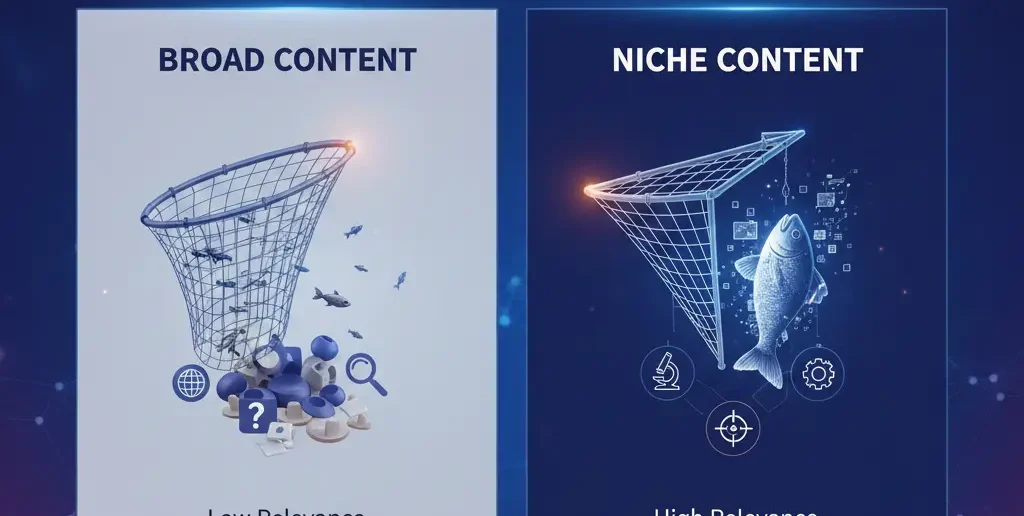
Information Gain – Why Niche Content Outperforms Broad Content
One of the most powerful insights in affiliate marketing is the importance of niche content. While broad content (e.g., “Best laptops for 2022”) can bring in more visitors, it’s often less likely to convert. Here’s why niche content works better:
Niche content targets a specific audience, making them more likely to trust your recommendations.
With niche content, you don’t have to compete with other blogs targeting a broad market. You’re focusing on a smaller, highly targeted group that is more likely to buy.
Key Insight: Focus on content that serves a specific need. For example, a blog post on “Best ergonomic office chairs for remote workers” is more likely to convert readers than one that covers “Best office chairs for 2022.”
Practical Insight – Building Trust With Your Audience
Building trust with your audience is the foundation of affiliate marketing. When you’re starting with a small blog, it’s essential to establish your credibility. Here’s how:
Be Honest: Only promote products you’ve tried and believe in. If you’ve used the product and seen the benefits, it will be easier to recommend.
Engage with Your Readers: Respond to comments, ask for feedback, and create content that answers your audience’s questions.
Don’t Overwhelm with Ads: Keep your website clean and user-friendly. Too many ads or affiliate links can distract visitors and reduce trust.
FAQ
How long does it take to make money with affiliate marketing?
It can take anywhere from a few months to a year, depending on how often you post and how well your content converts.
Do I need a large blog to make money with affiliate marketing?
No! Even small blogs can make money through affiliate marketing as long as you target the right audience and offer valuable content.
Should I focus on one affiliate program?
Initially, focusing on one program (e.g., Amazon Associates) can simplify things. However, as you grow, you can diversify your programs for more earning opportunities.
How do I know if my content is converting?
Track your affiliate link clicks and monitor how many sales you make. Use tools like Google Analytics to help with this.
Can I do affiliate marketing with a free blog?
Yes, you can start affiliate marketing with a free blog, but you may have more limitations in terms of branding and customization. Consider investing in a self-hosted blog for greater control and flexibility.
Conclusion
Starting affiliate marketing with a small blog is entirely possible. Focus on creating high-quality, niche content, choose relevant affiliate programs, and gradually build trust with your audience. As you optimize your blog and gain experience, you’ll begin to see consistent results and revenue from affiliate sales. Remember, the key to success is quality content and targeting the right audience—not just chasing traffic numbers.
Internal Links
How to Sell Digital Products Without an Audience: A Beginn 5
External Links
Amazon Associates
ShareASale Affiliate Program